SATIN SILK AND GLOSSY FABRICS

Table of contents

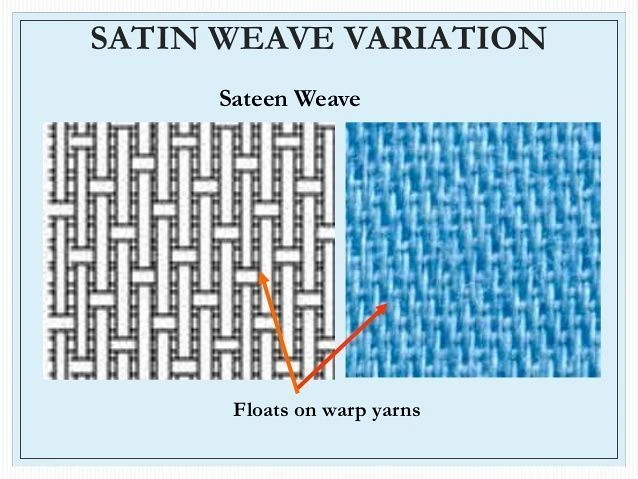
Satin fabric made from silk Often considered high-end and luxurious, satin is made from silk fibers, possessing characteristics of softness, sheen, and breathability. Silk satin fabric is commonly used for wedding dresses, lingerie, pillows, and interior decoration. It's a type of satin weave, woven on a loom consisting of 12 warp threads. In satin weaving, the weft thread glides over a maximum of 12 warp threads (it can be 4, 7, or 12 threads depending on the item) before being woven. In the next stroke, the shuttle again carries the weft thread over a different set of warp threads. The following diagram illustrates the structure of satin weaving (weft thread glides over 4 warp threads before being woven).

Some advantages of satin fabric made from silk Satin boasts a shimmering sheen, a cool feel against the skin, and the ability to retain moisture. However, it's also worth noting that satin can wrinkle easily and requires special care to maintain its shape and sheen.

 Satin silk fabric It has a tight, durable, and glossy surface, with slightly matte sides. Satin silk fabric has the following common characteristics:

  1. Smooth and Shiny Surface: Satin is renowned for its smooth, glossy surface and shimmering sheen. This gives products made from satin fabric a luxurious and glamorous look.
  2. Softness Characteristics: Silk fibers have a natural softness, making silk satin fabric feel smooth and comfortable against the skin.
  3. Good Draping: Satin fabric has excellent draping properties, meaning it can lie flat and bend smoothly, allowing for seamless seams and designs.
  4. Airy: Silk fibers have excellent breathability, helping to cool the wearer, making silk satin fabric suitable for summer products.
  5. Common Uses: Satin fabric, made from silk, is commonly used in products such as wedding dresses, lingerie, home decor, pillows, and other luxury fashion items.
  6. Wide Variety of Color Options: Satin fabric has excellent color and printability, which creates many options for designs and styles.

Differences between Satin Silk and Chiffon Fabric

Satin silk and glossy fabrics They have different characteristics based on the materials and weaving methods. Here are some of the main differences between them:

  1. Ingredient:
    • Satin Silk Fabric: Made from natural silk fibers, primarily from silkworms.
    • Glossy Satin Fabric: They can be made from a variety of fibers, including silk, polyester, nylon, and other synthetic blends.
  2. Surface:
    • Satin Silk Fabric: It has a smooth surface, but usually lacks the brilliant sheen of satin fabric.
    • Glossy Satin Fabric: Known for its glossy, shimmering surface, creating a luxurious and glamorous look.
  3. Feel and Softness:
    • Satin Silk Fabric: It feels soft, cool, and breathable. Natural silk creates a luxurious and high-end feel.
    • Glossy Satin Fabric: It also feels soft, but it lacks the breathability and coolness of satin silk.
  4. When burning:
  • Satin silk fabric: When burned, it's similar to burning hair... the ash will crumble, not clump together.
  • Satin fabric: When burned, the ash will clump together and become harder.

At Hanhsilk, we offer a wide range of satin silk products, including satin fabrics, satin scarves, pillowcases, duvet covers, and more, all made entirely from silk. Customers can rest assured when purchasing and using Hanhsilk products. For further product information and consultation, please visit our showroom and contact us. Hanhsilk Showroom House A5 – Van Ho Exhibition Center – 2 Hoa Lu Street – Hai Ba Trung District – Hanoi City. Hotline: 0985969864 – 0977241182.

SHARE:
    Leave a Reply

    Your email address will not be published. Required fields are marked *

    Make an appointment

    Don't hesitate to make an appointment in advance for better support!

    You and I might meet at Hanhsilk Silk House. Don't hesitate to make an appointment in advance for better assistance!
    @ 2026 Hanhsilk. All Rights Reserved.
    Privacy Policy | Terms & Conditions
    en_USEnglish