For over 400 years, Nam Cao village (Kien Xuong district, Thai Binh province) has been famous throughout the country for its silkworm breeding and weaving. The soft, smooth silk fabric, with its thick yet breathable properties, is warm in winter and cool in summer, durable, and easy to clean, making it primarily used by royalty and nobility.
The years 1995-2007 were the peak period for the village when 10 households in the 10 hamlets of this commune were all engaged in weaving silk and silk scarves. More than 2,000 households with 5,000 weaving machines operated at full capacity, yet the products sold out in an instant.
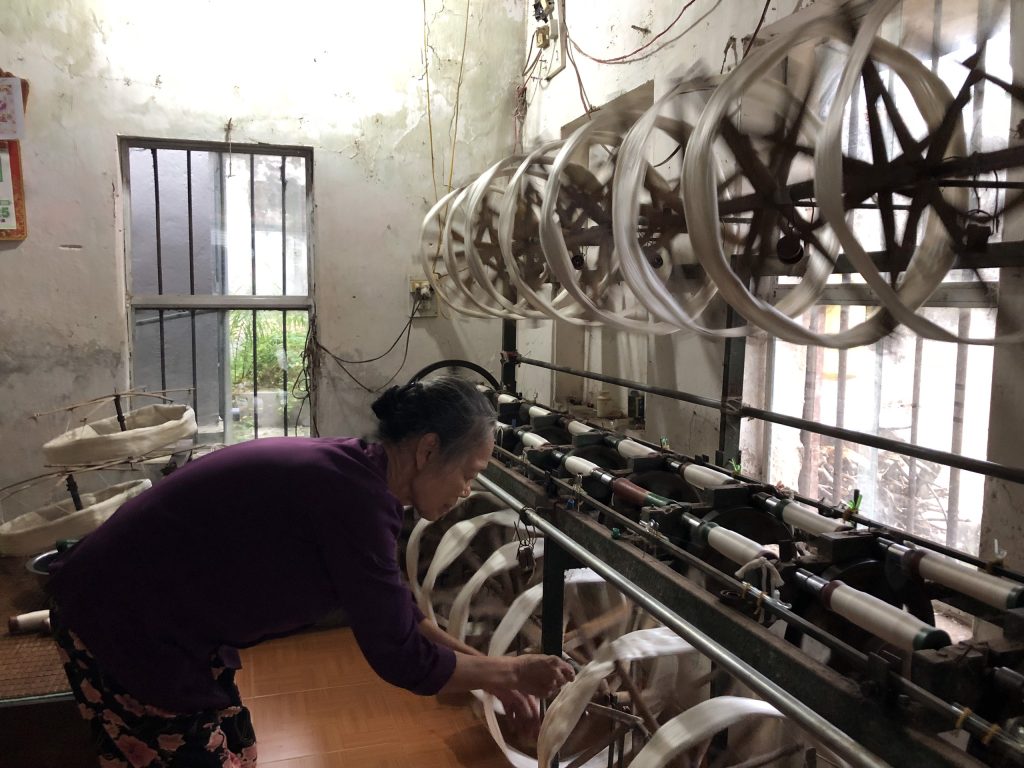
Producing even a single inch of raw silk requires many meticulous and laborious steps. Growing mulberry trees alone takes 20-25 days, and silkworms are also finicky, requiring strict control of temperature and humidity. The finishing process is also very elaborate: spinning, reeling, winding, etc., nearly a dozen steps. A diligent artisan weaves from early morning until late at night to produce 5-7 meters of silk, and 30,000 silkworms yield only 5 kg of silk thread.
But times changed, and consumers increasingly preferred industrial materials because they were mass-produced and inexpensive. Like many other traditional craft villages, Nam Cao silk weaving had to go through a period of decline, struggling to compete with new fashion trends and the fierce competition from modern machinery. Traditional silk weaving gradually faded into oblivion. Farmers had to abandon their age-old traditional work, setting aside their looms and threads to seek other means of livelihood. The once glorious craft village seemed to exist only in memory…
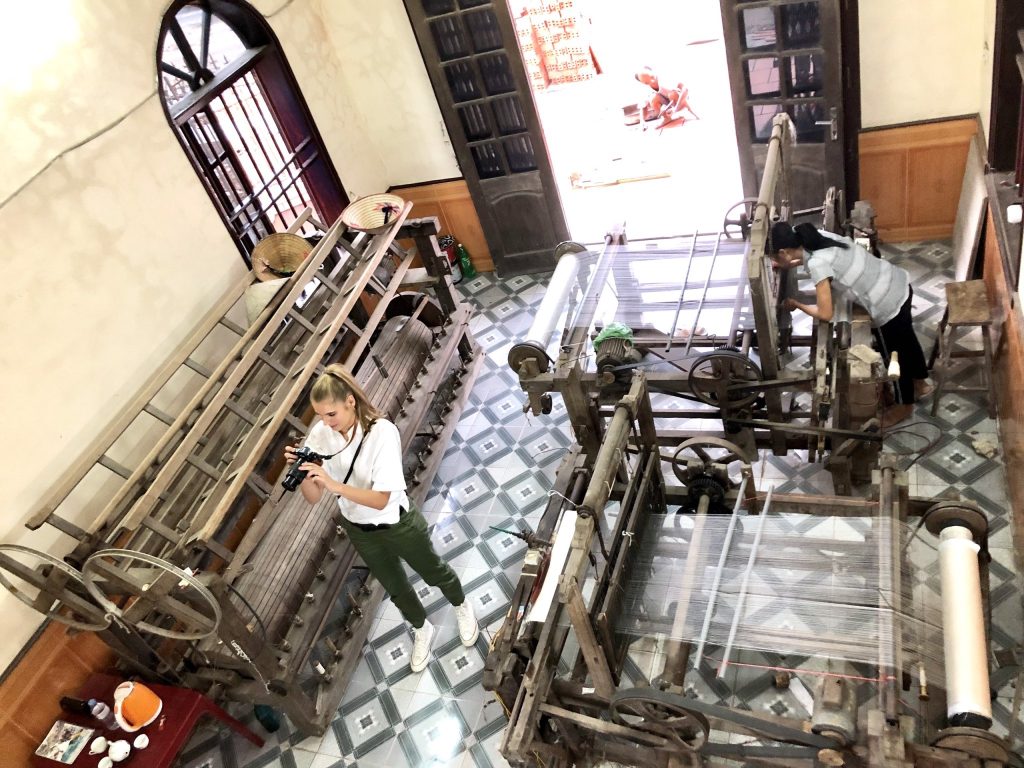
In 2012, Luong Thanh Hanh, then the director of Anh Trang Curtain Company, developed a strong passion for silk, recognizing the potential of Vietnamese silk. She set aside her work to follow her heart. During her travels from North to South, she discovered the Nam Cao silk weaving village, the path to reviving Vietnamese silk. Only three households in the village still practiced the craft, and looms lay abandoned everywhere. No one believed that silk would ever flutter in this land again. So, she decided to establish Hanhsilk Joint Stock Company, determined to restore the ancient craft of her ancestors, calling herself "The Silk Girl."
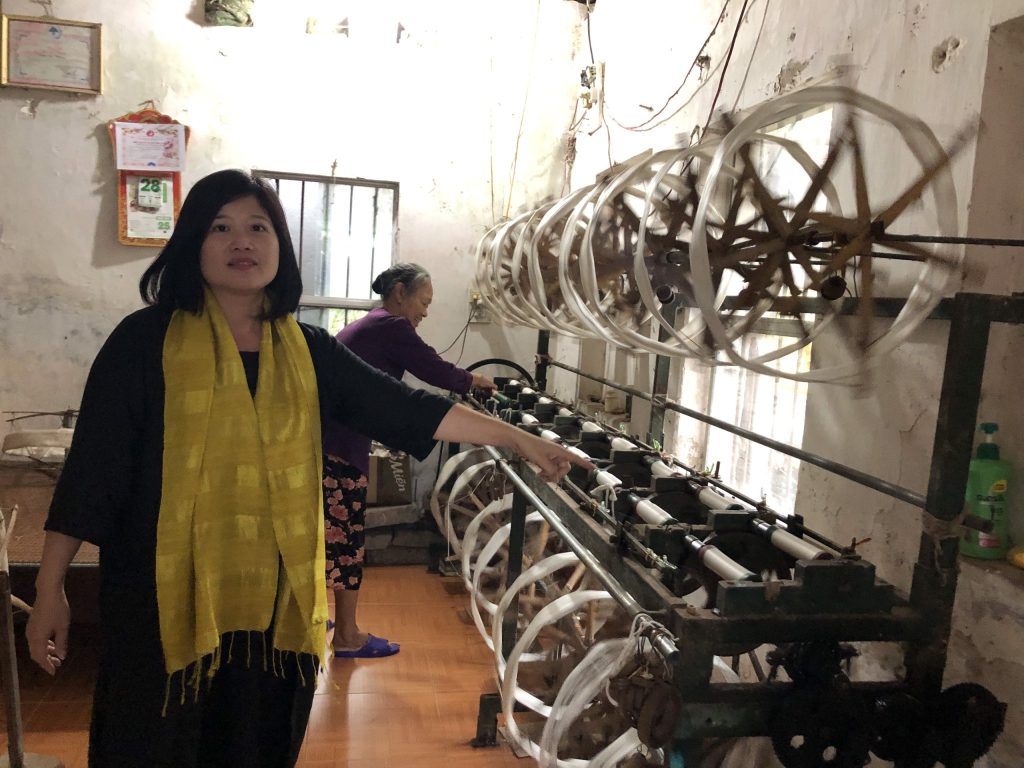
She went from household to household to persuade artisans to return to their ancestral craft. Her journey was met with considerable skepticism; people called her crazy, eccentric, and delusional. They argued there was no market, and that she wouldn't know where to sell her products. But Hạnh persevered, persuading the villagers, buying discarded looms, and inviting skilled farmers to spin silk and weave fabric. She breathed new life into the craft village, changing the villagers' mindset. She taught them that success required investment in technology, unique designs that suited current trends, yet retained their distinct values – each product telling its own story.
She tasted the first fruits of her labor from tourists from France, who visited the mulberry-growing region, witnessed the creative process of producing each product, and praised Nam Cao silk products profusely. With this first large order, Hanhsilk continuously received orders from Germany, Russia, the United States, and more. Not stopping there, Hanh established the Nam Cao Silk Cooperative to bring together like-minded individuals, expanding production scale and creating a value chain from raw material sourcing to production, consumption, and export. To date, the cooperative has over 200 employees, a 300-hectare local mulberry-growing and silkworm-rearing area, and an additional mulberry plantation in Vu Thu covering over 700 hectares. With the motto "Authentic and Quality," Nam Cao silk products are now available in all 63 provinces and cities of Vietnam, reaching nearly 30 countries worldwide, generating 40 billion VND in revenue annually and providing employment for hundreds of workers.
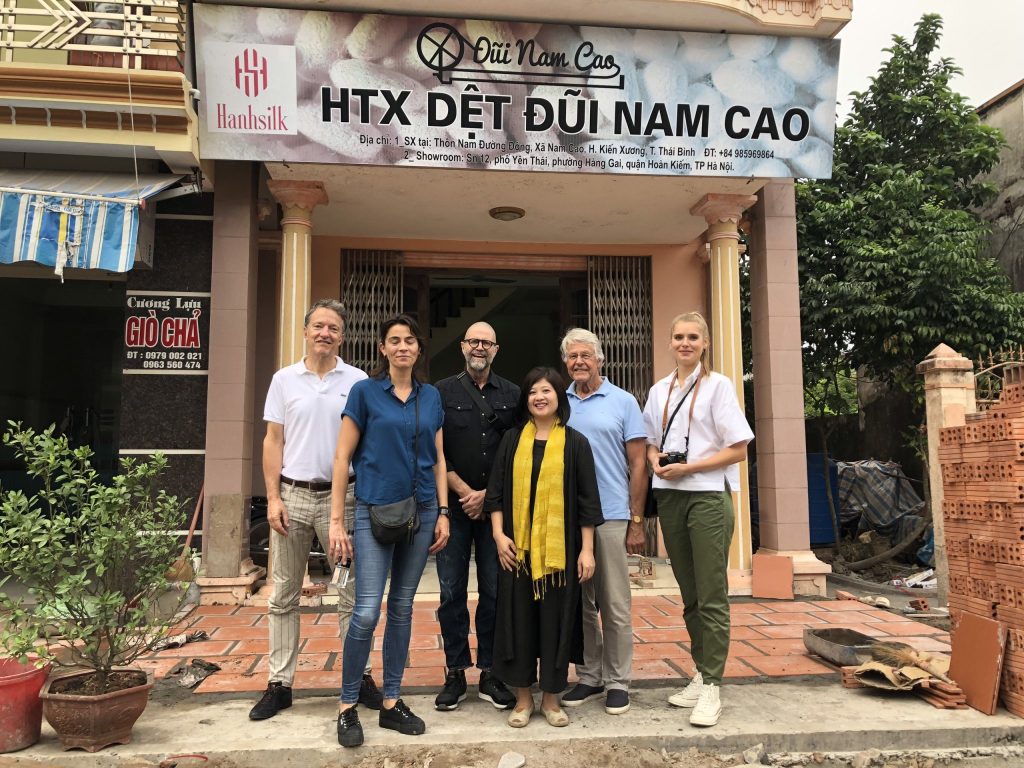
From its inception, Hanhsilk has recognized that sustainable development requires creating its own unique identity and establishing a circular value chain from production to consumption and reinvestment, following a strict process:
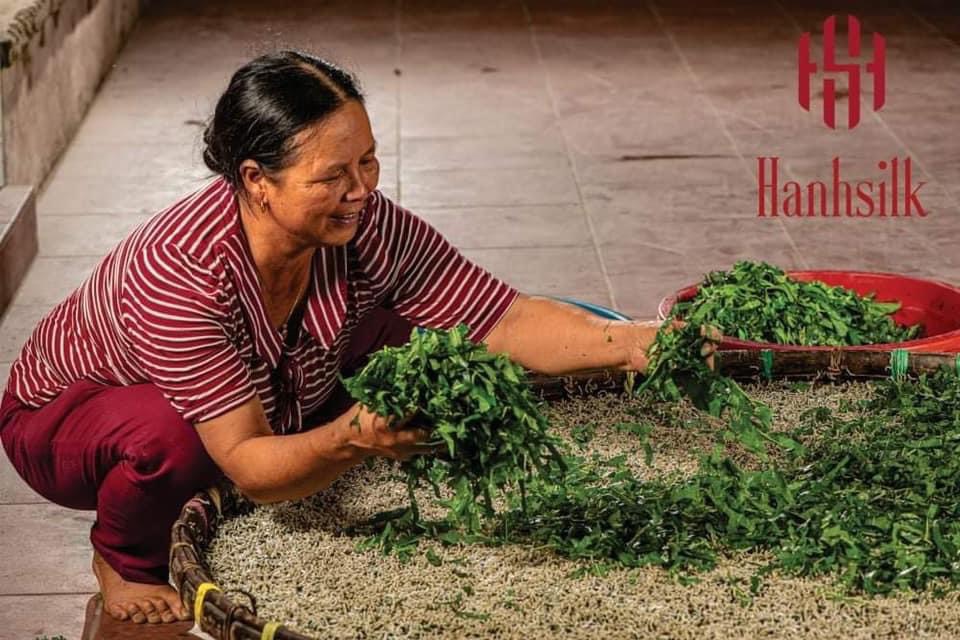
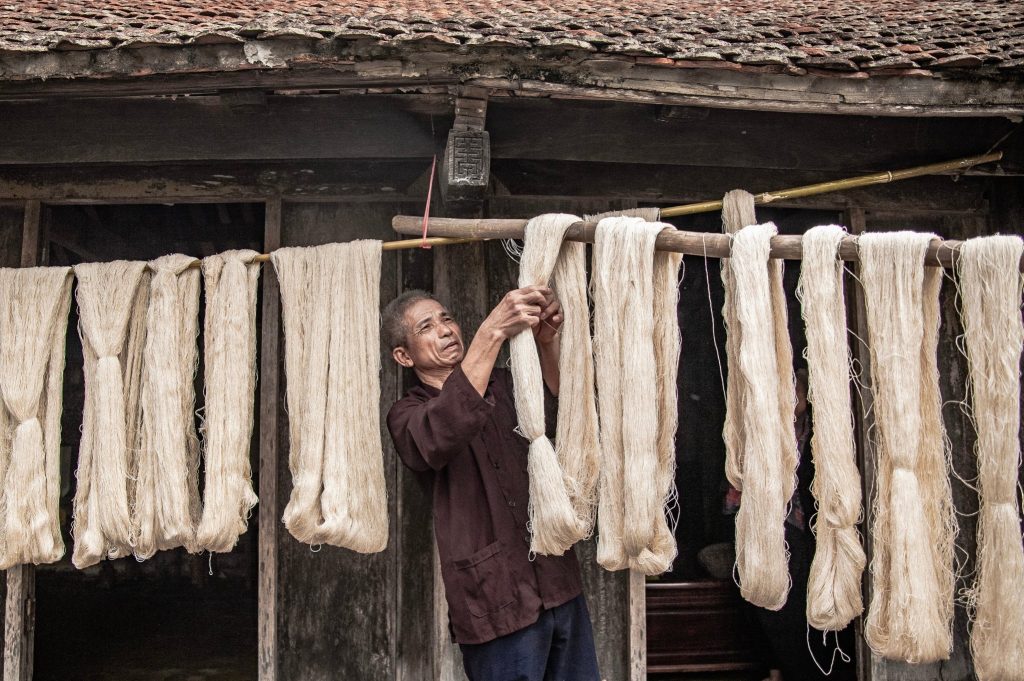
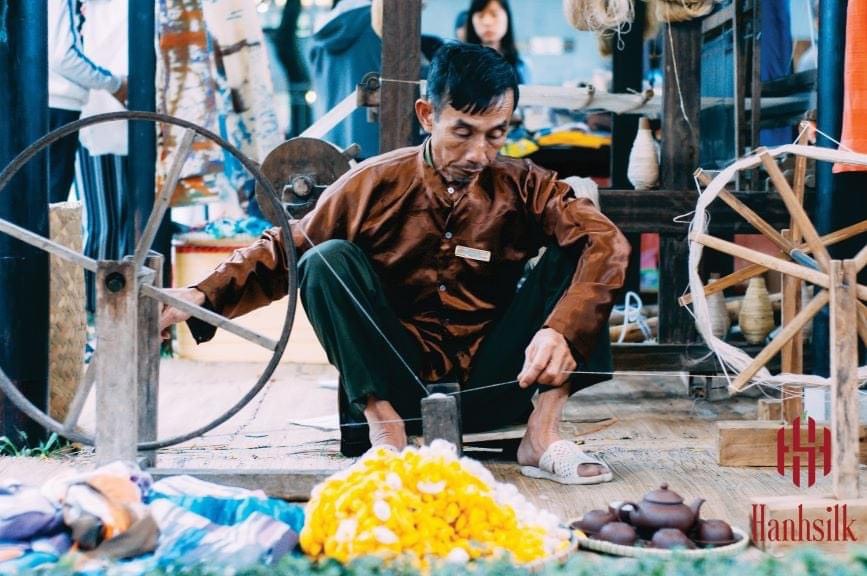
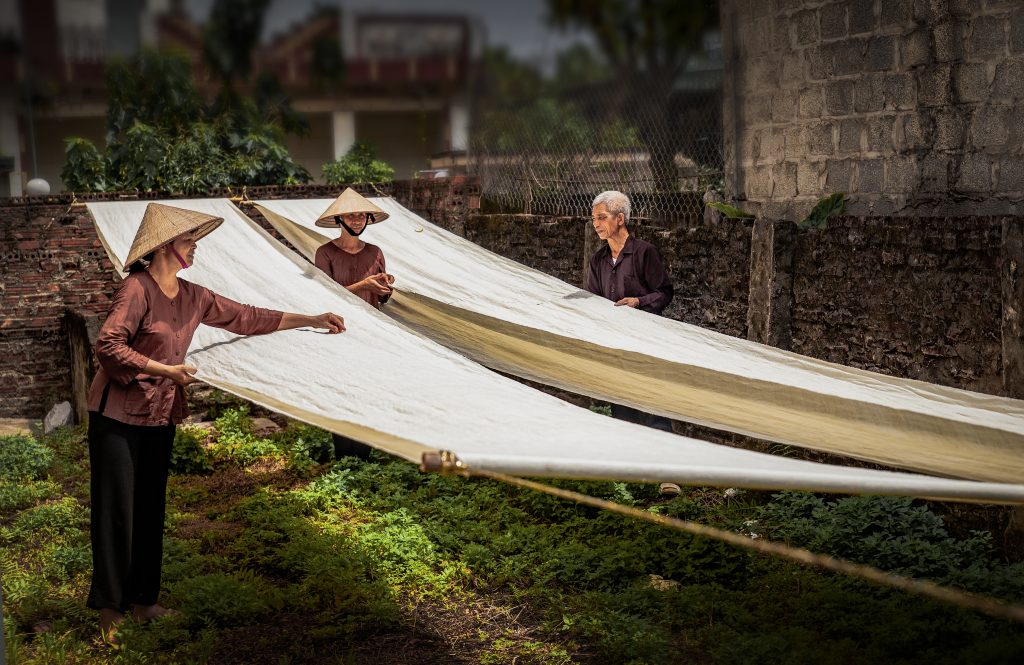
Finally, the fabrics are dyed with plant-based dyes to make them shiny, smooth, and silky.
Thanks to this meticulous attention to detail, Hanhsilk has appeared on many famous runways of designers such as Minh Hanh, and has participated in 3 editions of the Vietnam Goods Week in Bangkok. It has also surpassed the stringent 5A standards to enter demanding markets such as Europe and Japan.
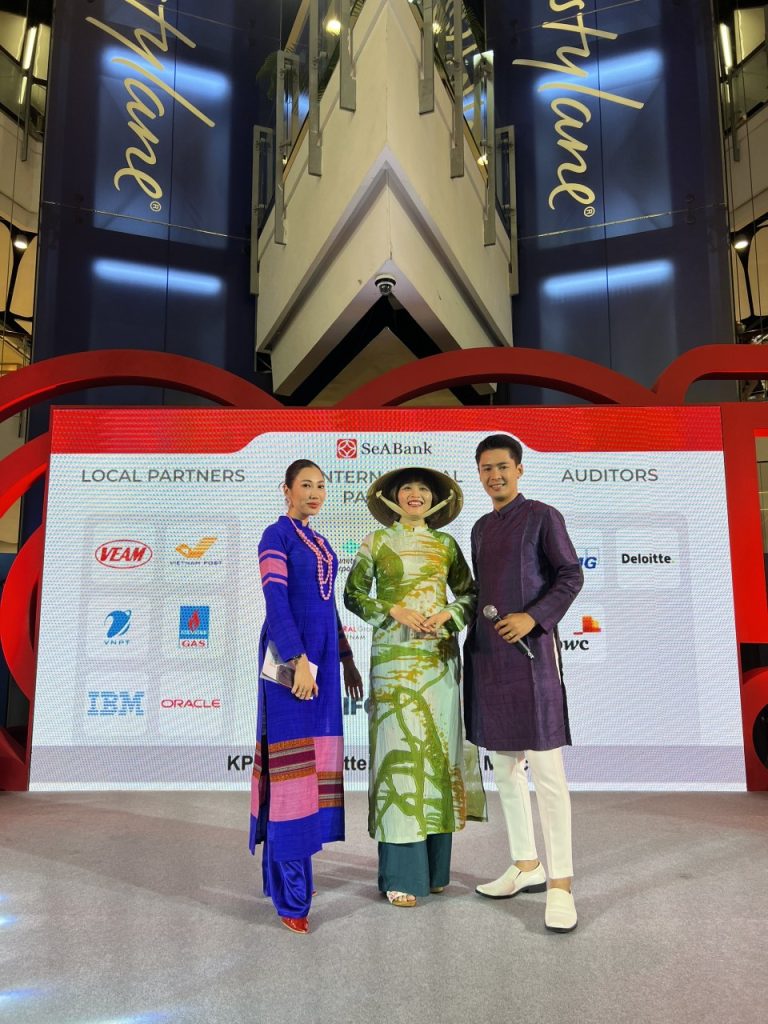
In particular, all 100% products from Hanhsilk are custom-designed, the dyes used on the fabric are all plant-based, and the patterns are hand-embroidered or hand-painted, making each design almost unique. The raw silk fabric is also used in a variety of other products, from fashion and home furnishings to cosmetics and health products such as face masks and towels, aiming for the highest quality.



 English
  Vietnamese