Silkworm excrement is a byproduct of silkworms spinning their silk; however, it is not as foul-smelling or dirty as many people think. Silkworms are very fragile creatures and cannot tolerate any kind of chemical treatment. Therefore, they only eat the freshest, greenest mulberry leaves. The Vu Thu region of Thai Binh province boasts lush green mulberry fields thanks to the fertile red alluvial plains of the Red River. The people of Vu Thu have a long tradition of mulberry cultivation and silkworm rearing. Silkworm excrement has many uses for humans. Let's list some of its benefits with Hanhsilk:
Silkworm excrement is highly favored as fertilizer because it is fine, sandy, odorless, and provides plants with many valuable nutrients, often used for growing organic vegetables. It is rich in nutrients: N-2.73; P-1.04; K-4.29, pH-7.62; Humic acid-5.17; Organic matter-58.94%; and contains no chemical residues such as antibiotics for livestock or heavy metals from animal feed. It is odorless and can be used as a slow-release fertilizer or mixed with water for topdressing. Silkworm excrement also possesses properties that help plants avoid absorbing certain toxins from the soil, such as lead, cadmium, and arsenic.
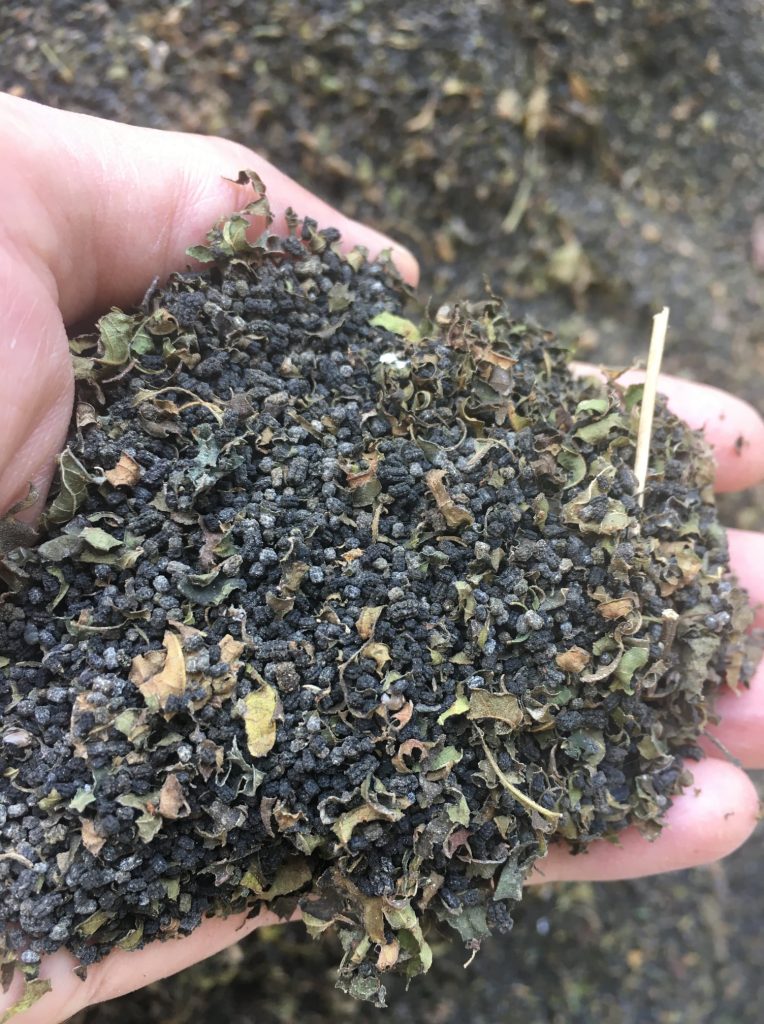
You read that right. Silkworm excrement is very good for the body and is used in medicine; in many places, it's even used to make tea. Silkworm excrement is also known as Tam Me, Van Tam Sa, or Tam Sa. People usually harvest the excrement of mulberry silkworms (Bombyx mori Linnaeus, belonging to the Moraceae or Urticaceae family) and dry it for medicinal use in the spring or summer. After collecting the excrement, any uneaten mulberry leaves and impurities are removed, and then it is dried and stored for later use.
According to Traditional Chinese Medicine, silkworm excrement has a sweet and spicy taste, a warm nature, is non-toxic, and acts on the liver, spleen, and stomach meridians. It is believed to dispel wind and dry dampness, harmonize the stomach, and resolve turbidity. It is primarily used to treat rheumatic pain, dampness-related rashes, itching, and diarrhea.
In folk medicine, silkworm excrement is often used to treat rheumatism, dissolve blood clots, cure conjunctivitis, and numbness in the limbs. For reference, below are some typical remedies that use silkworm excrement for treatment.
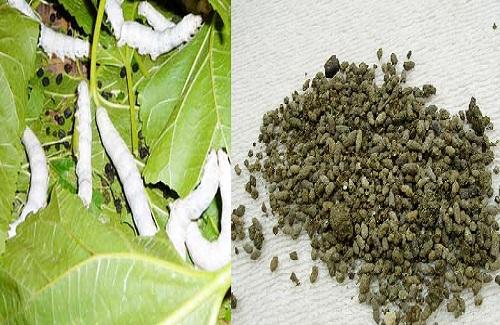
This type of pillow filling has been known since the Ming Dynasty (China). It has always been a favorite item on the beds of royal nobles. Silkworm droppings, after undergoing scientific processing, filtering, cleaning, and detoxification, are then meticulously processed into pillow fillings for use.
This pillow filling provides a cool and gentle sensation during use, promotes blood circulation, and improves brain function. With its subtle fragrance, high durability, and strength, it can help regulate and improve sleep naturally.
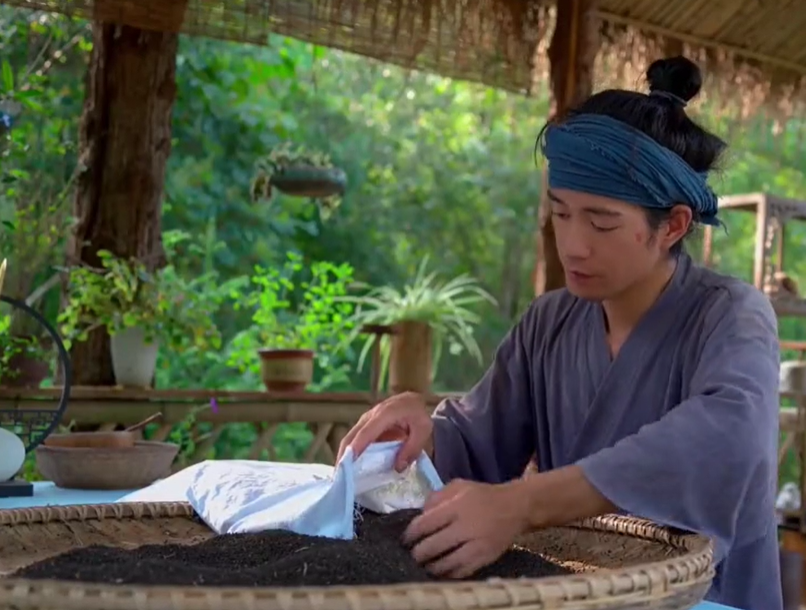
Above are 3 uses of silkworm excrement that Hanhsilk has researched and provided to you. Hanhsilk always aims to create a value chain from mulberry cultivation, silkworm rearing, silk weaving, etc., for all farmers and artisans in Thai Binh to increase production, output, and income for a prosperous and happy life.
Visit and learn about the traditional mulberry cultivation and silkworm farming village in Hong Phong commune, Vu Thu district, Thai Binh province by contacting Hanhsilk Tourist via Hotline: 0815.929.000


 English
  Vietnamese